
Flap Surgeries
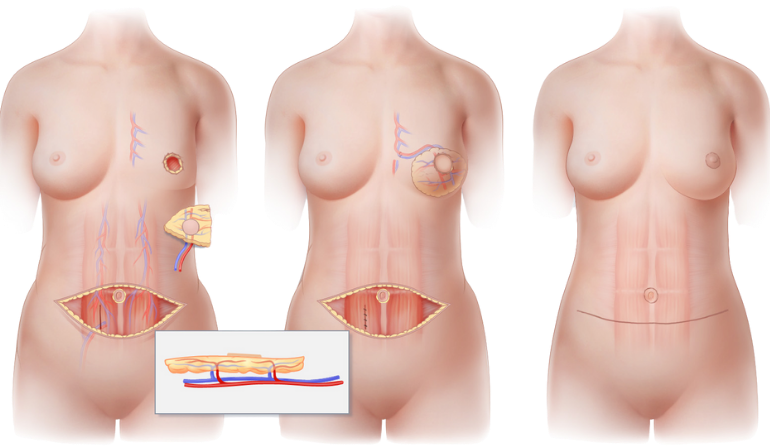
Flap Surgery: Reconstructive Solutions for Tissue Loss
Flap surgery is a highly specialized procedure designed to restore lost tissue by moving healthy skin and tissue from one part of the body to another. This method is essential for people who’ve suffered from trauma, cancer treatments, or other conditions leading to significant tissue loss. If you’ve been affected by such conditions and are seeking reconstructive surgery, flap surgery may be the ideal solution for you.
In this guide, we’ll cover what flap surgery is, its types, the procedure, recovery process, and why Dr. Vinay Jacob is the expert you can trust for your reconstructive needs.
What is Flap Surgery?
Flap surgery involves moving healthy tissue with its blood supply from one area of the body to another. Unlike skin grafts, which lack a blood supply, a flap retains its own blood vessels, making it much more successful in healing large defects.
It’s used for a variety of reasons, including:
- Reconstructing areas affected by cancer removal (e.g., breast or skin cancer)
- Rebuilding tissues lost due to trauma (e.g., accidents or burns)
- Healing chronic wounds that don’t respond to standard treatments
Flap surgery can dramatically improve both the appearance and functionality of the affected area, providing patients with more natural, long-lasting results.
Types of Flap Surgery
Flap surgery isn’t one-size-fits-all. Different types of flaps are used based on the location of the tissue loss and the complexity of the reconstruction. Here are the main types:
- Local Flap
A local flap involves moving tissue from a nearby area to cover a defect. This is often used for smaller defects or when the surrounding tissue can be easily moved.
Best for: Small defects near the surgery site
Procedure: Tissue is moved from the adjacent area while keeping its blood supply intact - Free Flap
In this more advanced technique, tissue is taken from a distant part of the body, completely separated and reconnected to the blood vessels at the new site through microvascular surgery.
Best for: Larger, more complex areas of reconstruction (e.g., breast reconstruction after cancer surgery)
Procedure: Tissue is moved from a distant site and reconnected with its blood supply - Musculocutaneous Flap
A musculocutaneous flap uses both skin and muscle from one part of the body. This type of flap can provide greater tissue volume and is often used for larger areas needing reconstruction.
Best for: Rebuilding larger defects requiring skin and muscle tissue
Procedure: Both muscle and skin are transferred to the affected area - DIEP Flap (Deep Inferior Epigastric Perforator Flap)
This flap, often used in breast reconstruction, involves moving skin and fat from the abdomen without sacrificing muscle. It provides a natural, long-lasting result.
Best for: Breast reconstruction
Procedure: Fat and skin are removed from the abdomen without harming muscle tissue
Who Needs Flap Surgery?
Flap surgery is ideal for individuals who have experienced severe tissue loss due to various medical conditions, including:
- Cancer: After the removal of tumors, especially in the breast, head, or neck areas.
- Trauma: Serious injuries from accidents, burns, or other physical trauma that leave extensive tissue damage.
- Chronic Wounds: Conditions like diabetic ulcers or pressure sores that don’t heal with traditional methods.
If you have one of these issues, flap surgery can help restore function and appearance, improving your quality of life.
The Flap Surgery Procedure
The procedure for flap surgery varies based on the type of flap, but typically involves:
- Consultation and Planning: Dr. Vinay Jacob will first evaluate your health, assess the defect, and discuss the best flap option for you.
- Anesthesia: The surgery is performed under general anesthesia to ensure you're comfortable during the procedure.
- Tissue Harvesting and Transfer: The healthy tissue is carefully removed from one part of your body and transplanted to the defect area.
- Reattachment of Blood Vessels (For Free Flaps): If you're undergoing a free flap, the blood vessels of the transferred tissue are reconnected through microsurgery to ensure the tissue thrives.
- Recovery: Post-surgery care involves monitoring the flap’s survival, ensuring the healing process goes smoothly.
Recovery and Aftercare
After flap surgery, recovery is key to ensuring the best results. Here’s what to expect:
- Hospital Stay: Most patients stay in the hospital for a few days for monitoring, particularly if they have undergone complex procedures like free flaps.
- Recovery Time: The initial recovery takes about 4–8 weeks, depending on the complexity of the surgery. Full recovery and healing may take several months.
- Post-Surgery Care: You’ll need to follow your doctor’s instructions for wound care, diet, and physical activity. Dr. Jacob will closely monitor your progress to ensure proper healing.
- Results: Once fully healed, the flap site should blend well with surrounding tissue, restoring both function and appearance.
Why Choose Dr. Vinay Jacob for Your Flap Surgery?
Dr. Vinay Jacob is a highly skilled plastic and reconstructive surgeon with over 25 years of experience specializing in flap surgeries. He has successfully performed hundreds of reconstructive procedures, helping patients regain their appearance and function after tissue loss.
His expertise in both complex and straightforward flap procedures ensures that you receive the highest quality care, tailored to your needs. Dr. Jacob is committed to making your surgery as comfortable as possible, using the latest techniques to provide you with the best possible outcomes.
FAQs About Flap Surgery
1. Is flap surgery painful?
Flap surgery is performed under anesthesia, so you won’t feel pain during the procedure. Post-surgery, some discomfort is normal, but pain management is provided.
2. How long will I need to recover?
Recovery typically takes 4–8 weeks, but full recovery can take several months depending on the procedure’s complexity.
3. What are the risks of flap surgery?
Risks include infection, tissue rejection, or blood vessel issues. However, with expert care from Dr. Jacob, these risks are minimized.
4. Can I go home the same day?
Most flap surgeries require a hospital stay for observation. The duration of your stay will depend on the complexity of the surgery.
5. What are the benefits of flap surgery?
Flap surgery helps restore lost tissue with natural-looking results, improving both aesthetics and function, especially in cases of cancer or trauma.
Ready to Restore Your Appearance and Function?
If you’ve suffered tissue loss due to trauma, cancer, or chronic conditions, flap surgery could be the solution you need. Dr. Vinay Jacob’s expertise in reconstructive surgery will provide you with personalized care to ensure the best possible results.
Book a consultation today to learn more about flap surgery and how it can help you regain your confidence and functionality.

Each of these procedures is designed to help individuals regain confidence and feel comfortable with their bodies.The most suitable option depends on personal preferences, medical conditions, and professional recommendations.
If you are considering reconstructive surgery, it is essential to consult a skilled and experienced surgeon to determine the best treatment plan based on individual needs. Dr. Vinay Jacob, a leading plastic and reconstructive surgeon in Mumbai, offers expert care in a wide range of reconstructive procedures. Whether you require breast, limb, facial, hand, head and neck, gender-affirming, or trauma-related reconstruction, Dr. Vinay Jacob provides advanced surgical solutions tailored to restore function, confidence, and overall well-being.
To explore your options and receive personalized care, schedule a consultation at The Plastic Surgeon Clinic in Mumbai, where cutting-edge techniques and compassionate care come together to achieve the best possible results.